
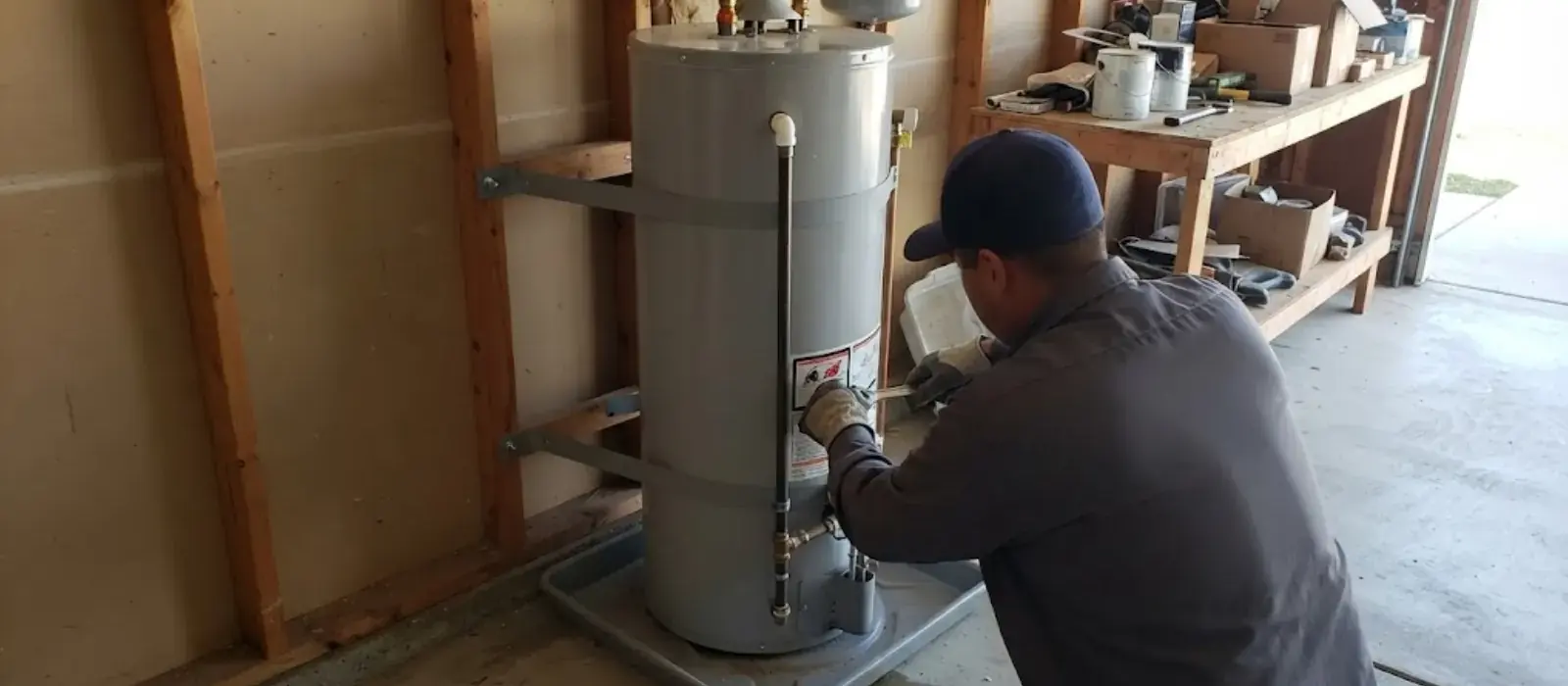
If you are replacing an aging heater before it fails, adding a second unit, moving the heater, or switching fuel, you are in the right place. A planned install takes more thought than an emergency swap, but it pays back in the right size, the right location and a cleaner finish. Call (860) 397-8103 to book a visit.
Our 24/7 line also takes urgent calls. If your heater is leaking or dead right now, see emergency water heater replacement instead. If you are weighing a tankless unit, our tankless water heater page covers that route.
Choosing a size that fits the household
Tank size is about how much hot water you need in your busiest hour, not how many people live in the house. A heater that is too small runs out during back-to-back showers. One that is too large keeps more water hot than you use and wastes energy.
The plumber looks at the number of bathrooms, large tubs, a dishwasher and a washer, and how often they run together. A first-hour rating on the label tells you how much hot water the unit can deliver in the first hour of heavy use.
Typical tank sizes by household
These are general starting points, not a sizing calculation. Actual use and the unit's first-hour rating decide the final pick.
| Household | Typical tank size | Things that push it larger |
|---|---|---|
| 1 to 2 people, one bathroom | 30 to 40 gallons | A large soaking tub or daily laundry |
| 3 to 4 people, 1.5 to 2 bathrooms | 40 to 50 gallons | Teenagers, long showers, high-flow fixtures |
| 4 to 5 people, 2 to 3 bathrooms | 50 to 75 gallons | A whirlpool tub or a dishwasher plus laundry at peak |
| Large home or multiple heavy users | 75 gallons or two units | Multiple bathrooms used at the same hour |
Fuel and type: what to weigh
Gas storage tank
Heats quickly and recovers fast, and is common in houses piped for gas. It needs proper venting and a gas shutoff within reach.
Electric storage tank
Simple to install where no gas is available. It needs a correctly sized circuit and recovers slower than gas.
Heat pump (hybrid) tank
Pulls heat from the surrounding air, so it uses less electricity. It needs open air space, a condensate drain and a spot that stays above freezing.
Tankless
Heats on demand and takes less floor space. It has stricter gas, venting and electrical needs. See our tankless page.
A few small steps keep the visit short and the price accurate.
Before install day
- Photograph the current heater label, the shutoff valves and the vent pipe.
- Clear a path to the heater, and note any stairs or tight corners.
- Decide whether the heater is staying put or moving to a new spot.
- Tell us if you want to change fuel, size or venting, since each changes the scope.
- Ask the Rocky Hill building department whether your job needs a permit.
What happens on install day
Final walkthrough
The plumber checks the location, shutoffs, venting and electrical or gas supply against the plan.
Old unit comes out
Water, power or gas is isolated, the tank is drained, and the old heater is disconnected and removed.
New connections
New supply lines, a relief valve with a discharge pipe, and a drain pan where needed are set.
Venting, gas and wiring
On gas units, venting and gas joints are tested. Electric units get circuit and wiring checks.
Fill, heat and walk through
We fill, purge air, bring the unit to temperature, check for leaks and show you the shutoffs and settings.
Switching fuel, moving the heater or rerouting the vent
Fuel changes are a planned project. Moving from gas to electric needs a circuit your panel can carry. Moving from electric to gas needs a gas line and vent that meet code. Heat pump models need air space and a condensate drain.
Venting is the most common reason a job grows. Many Rocky Hill homes built in the 1970s, when the town added 2,456 housing units, still have gas heaters venting into chimneys. A new, efficient unit may need a different vent. The state building code is based on the 2021 International Codes, so ask the Rocky Hill building department what applies to your job.
Thermal expansion, shutoffs and safety details
A good install includes the small parts that protect the house. A relief valve with a properly routed discharge pipe prevents scalding and tank damage. An expansion tank handles pressure swings in a closed plumbing system. A drain pan with a drain line limits damage if the tank ever leaks.
If your water system has a backflow device or a pressure-reducing valve, the heater needs an expansion tank. The plumber checks this at the visit and explains what the new unit needs.
Safety checks around a new water heater
Safety checklist for the install
- Smell gas, or hear a hissing sound near the heater? Leave the building right away, do not switch lights or appliances on or off, and call 911 or the gas utility emergency line from outside.
- Headache, nausea, dizziness or confusion near a gas or oil heater can mean carbon monoxide. Get everyone into fresh air and call 911. Carbon monoxide has no smell.
- Look at the temperature and pressure relief valve. Its discharge pipe should point down toward a safe spot and must never be capped or plugged. If it drips or discharges, call us.
- Test the hot tap before anyone showers. Very hot water scalds fast, especially for children and older adults, so ask the plumber to set the temperature and to explain any anti-scald valve on the system.
- On a gas unit, ask the plumber to check the vent connection and draft before leaving. Soot, a burning smell or exhaust odor near the heater later on means shut it off and call.
- Learn where the cold water shutoff above the heater, the gas shutoff and the electric breaker are, and make sure each one is easy to reach.
What a water heater installation costs
We give a clear price before work starts. These are the factors that decide it.
What moves the price
- Unit type and size: a heat pump or power-vented model costs more than a basic tank.
- Venting: reusing a good vent costs less than building a new one.
- Gas or electrical work: a new gas line or circuit adds scope.
- Extras: expansion tank, drain pan, new shutoff valves and a relief discharge line.
- Access and removal of the old unit.
Call (860) 397-8103 to describe your house and we give you a clear price before work starts.
Questions homeowners ask
What size water heater do I need?
It depends on how much hot water you use in your busiest hour. Households of three to four people often land on a 40 to 50 gallon tank, but bathrooms, tubs and appliances change that. The plumber reads your usage and the unit's first-hour rating to pick one.
Should I replace my water heater before it fails?
Often yes, if the tank is old or has started to rust or rumble. A planned swap lets you pick the model, the schedule and the venting. A failure at midnight limits your options and risks water damage.
Can you switch my gas water heater to electric or a heat pump?
It can be done. It needs the right electrical circuit, clearance, and a condensate drain on heat pump models. The plumber checks your panel and space first and explains what the change involves.
How long does a water heater installation take?
A like-for-like tank swap is often finished in a single visit. Moving the heater, changing venting or converting fuel takes longer. The plumber gives you a realistic plan when you describe the job.
Do I need a permit to install a water heater in Rocky Hill?
Ask the Rocky Hill building department. Requirements depend on the job, and we do not state them for the town. We can describe the work, and the department tells you what applies.
Do you install in Wethersfield, Newington and Cromwell?
Yes. We serve those towns from Rocky Hill, and the dispatcher confirms availability for your address when you call. See our Wethersfield page for how we cover the north side.
Call the 24/7 line, describe the problem, and we confirm what it will cost before any work starts.